
Q1 2026 Box Office Takeaways: Predictable Demand, Chaotic Execution
March 30, 2026
The stock market largely subsists on quarterly earnings reports. Billions of dollars in company value spiking and sinking based on three-month snapshots of longer-term strategies. Share price charts begin looking like heart rate monitors. It all seems a tad reactive. But the reality is that quarterly status updates can function as bellweathers and harbingers.
If it’s good enough for Wall Street, then it’s good enough for the box office.
Every three months, Greenlight Analytics will dip a toe into the quarter’s most important theatrical observations, lessons and conclusions. Why? Because in this business, it is behavior—not buzz—that helps determine success and failure.
To start, Q1 showed that audience preference is more predictable than the industry’s chaotic decision-making. Originals aren’t box office poison, they’re an institutional necessity while the safety nets of familiar IP are showing gaps.
New-to-Screen Concepts Break Through
Creating something most moviegoers haven’t seen before and wringing actual box office value from it is nothing short of a Herculean task these days. It’s why sequels, prequels, spinoffs, reboots and revivals rule the roost in recent years. But Q1 2026 has seen a combination of originality, branding and intellectual property contributing fresh new-to-screen wins.
Most recently, Amazon MGM’s Project Hail Mary ($80.6 million) delivered the second-biggest debut weekend for a non-franchise film behind only Oppenheimer. The film succeeded in effectively cobbling together distinct but overlapping audiences (book readers, Ryan Gosling fans, Phil Lord and Chris Miller devotees, The Martian fans) led by sci-fi moviegoing’s biggest demographic: men under 35. Crucially, it built upward momentum over its final six pre-release weeks. Awareness jumped from 28% to 50%, while Theatrical Intent (46%) and Willingness to Pay (57%) also finished well above their starting points. The ability to grow reach without suffering a dropoff in conversion is the clearest signal of breakout potential. Prioritizing late stage momentum and stable Interest over early and up-and-down Awareness spikes is the playbook.
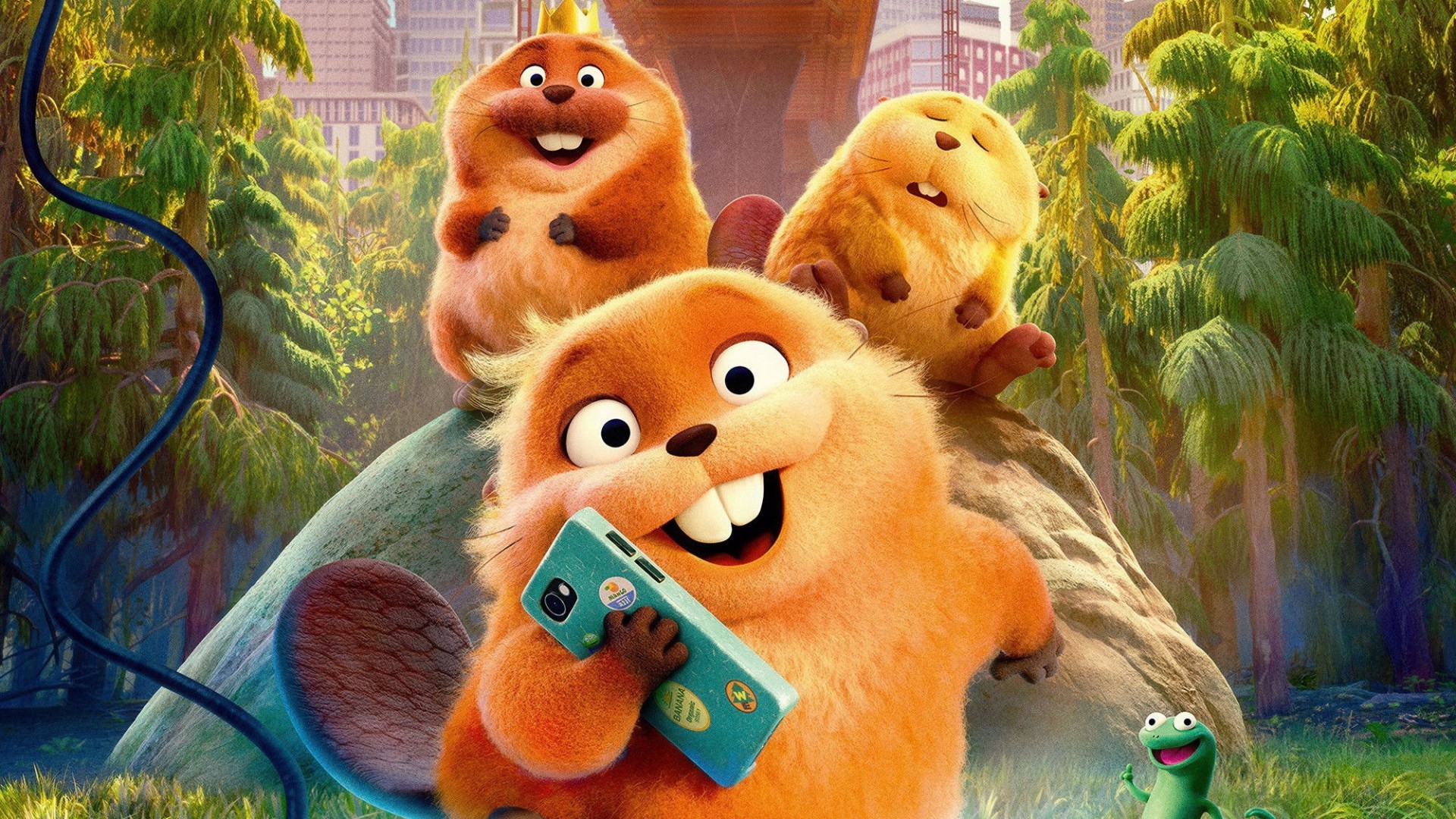
The list goes on. Pixar secured a much-needed original win with Hoppers ($45.3 million opening). Its balanced four-quadrant appeal translated to ticket sales across the demo spectrum. Sony’s GOAT ($27.2 million), with its modern animation style, maintained consistent Interest throughout the pre-release window despite comparatively smaller Awareness. It underscores the value of stable demand versus the streaky highs and lows some big name films endure. Iron Lung ($19 million) effectively aligned concept, audience targeting, and conversion at each stage. Filmmaker Markiplier is now the first YouTuber to convert a significant portion of his following into ticket buyers.
The fast start of fresh material reinforces that studios can make them work at the right budget level and with proper funnel growth through the pre-release campaign.
Not All IP Is Created Equal
The problem with relying on IP to sell your movie is that it’s a finite resource.
January’s excellent 28 Years Later: The Bone Temple ($12.5 million opening) suffered decay from last year’s legacy sequel 28 Years Later ($30 million). In their respective weeks of release, The Bone Temple was behind in Awareness (43% vs 50%), Interest (42% vs 50%), and WTP (46% vs 51%). The core Men Under 35 audience was still engaged, but other demographics lagged behind. Despite the recognizable IP and good reviews, it generated weaker conversion. It was a niche title Sony was hoping to perform like a mainstream genre flick. In this case, IP was not a demand driver and may have actually been a ceiling-lowerer.
Then there’s WB’s The Bride ($7 million). The monster movie genre mash-up may indicate that viewers struggle to turn out for overlapping concepts in short periods of time. Greenlight Analytics tracking showed Netflix’s Frankenstein converting Awareness into Interest at an unusually efficient rate (70% Interest Among Aware by release) back in November, with balanced gender appeal and strong under-35 buy-in. These are the same demos that typically drive theatrical genre turnout.
By contrast, The Bride had soft Theatrical Intent (32%), Opening Weekend Intent among aware audiences (16%), and Willingness to Pay (42%) scores. These reflect a lack of urgency and lower-ceiling monetization potential. The behavioral pattern may suggest that Netflix’s lauded November release absorbed some of the audience’s Frankenstein appetite, leaving the theatrical release to compete more heavily for core genre audiences rather than broad casual demand.
Familiarity without urgency is a short path to underperformance. Audience appetite can be satiated by competitive dynamics in different mediums and windows.
Horror’s Audience Consistency
In Q1, horror came back, if it ever left, in a big way. Thus far, the genre is responsible for about 25% of the domestic gross this year thanks to a new wide release nearly every single week. However, not all horror films or horror audiences follow the same paths despite the genre’s remarkable consistency.
From niche low budget horror like Undertone to event-level horror like Scream 7, each film delivered a steady audience counterpart that offers better analysis opportunities to industry onlookers. Target audience Awareness, Theatrical Intent, and deeper enthusiasm follow distinct patterns here.
Patterns in the audience itself reveal the surprising consistency in a genre that can open anywhere between $1-$80 million-plus. Horror films tend to peak in Awareness within one week of release, relying on late-cycle momentum. Though Interest in the final month can be volatile – suggesting high audience sensitivity to reviews and promotional materials – it’s still among the most efficient converts of Theatrical Intent. On top of that, it boasts consistent multi-cultural appeal.
To put a pin in this: it’s far easier to accurately diagnose horror’s box office bona fides earlier in the pre-release process than most genres, especially when it comes to flagging signals of over- and under-performance. That should give studios more reliable greenlight and marketing road signs.
Scheduling Is a Mess
We know we just lauded Horror’s consistency. But c’mon, Hollywood, spread the wealth around a bit. A whopping twelve horror titles opened in at least 1,000 theaters from January 1-March 31, including three horror comedies in rapid succession (Ready or Not 2, They Will Kill You, Forbidden Fruits). The genre is far from the only offender!
Only two family animated films (GOAT, Hoppers) opened on more than 2,000 screens in Q1, despite the genre’s high-ceiling. Both were new-to-screen originals as well, making the lack of volume elsewhere even more indefensible. By our count, zero traditional theatrical studio comedies were released, and only two real blockbuster swings were taken (Hoppers, Project Hail Mary).
Wide release volume has steadily worked its way back into the vicinity of pre-pandemic levels, with 2026 marking a high point. But distribution is still overly clustered and cannibalistic.
Yes, Hoppers, Scream, Wuthering Heights, and Project Hail Mary all wound up performing quite well to justify their release real estate through various quirks of timing, luck, and deliberate strategy. But would Send Help and Iron Lung have over-performed to even greater degrees if they weren’t released head-to-head? With Ready or Not 2 and They Will Kill You falling through the cracks, Hollywood should ask if this is a small warning sign for the Jumanji and Angry Birds threequels in December.
Three months will not decide the future of the moviegoing business and anything can happen through the remainder of the year. But so far in Q1, audiences have reminded Hollywood that originality and freshness still matter, especially against the constant onslaught of familiar IP growing long in the tooth. Unsurprisingly, Horror remains the best bang-for-your-buck theatrical genre, while Hollywood must balance the return of wide-release volume with clever scheduling.
Better data insights provide far more clarity into audience signals. Hollywood just needs to break from outdated incumbent strategies and act on them. The path to success can be clear if you pay close attention to the behavior behind the money.