
Weekend Preview: ‘Mercy’ and the Challenge of Finding the Right Box Office Comp
January 23, 2026
Data is more abundant today than ever and with AI to help automate processes (and preside over criminal trials), predicting film outcomes from standardized data should be easier, right? Well, not exactly.
Processes can be standardized but, like a quality prompt, the underlying information makes the difference between an answer vs the answer. A horror film might have the same awareness or even general interest as a franchise animated film. But using the two as comparisons, even with the same metrics, will not yield quality projections. On the surface demographically, the two audiences may look the same, but their intentions and interests in the genres could not be more different. Better comparisons come from understanding the audience already interested or intending to take an action rather than what the audience looks like or who the studio expects them to be.
Projections may not always be perfect, but perfect projections come from the perfect audience comparison.
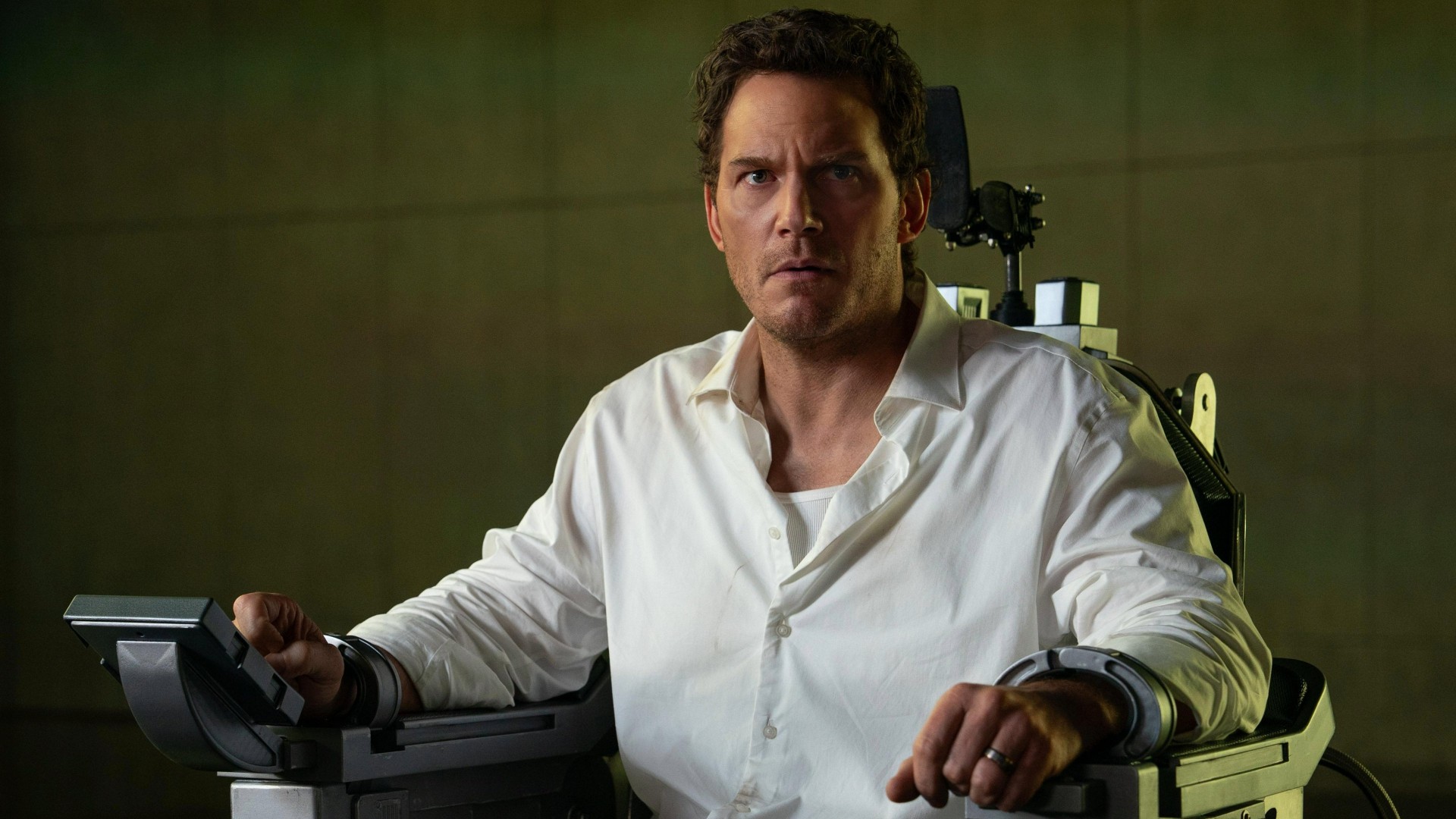
Now, let’s take a look at this weekend’s newest release: Mercy:
The Chris Pratt-led film originated at a crossroads: is it a “screenlife” movie (Mercy’s director Timur Bekmambetov’s staple format of screen-based visual storytelling), a mind-bending sci-fi tale, or an action film? Let’s breakdown the options:

- The Sci-fi Thriller: Initial tracking saw some similarities to original sci-fi The Creator along with recent science-fiction action film The Running Man. Early averages in overall interest, theatrical intent, and willingness to pay matched both, with male interest and intent aligning nearly identically with The Running Man at the same pre-release point. However, Mercy enjoyed an initial spike in interest among women under 35 that neither The Creator nor The Running Man experienced. This left interest as slightly skewing male rather than the mostly male ratio the sci-fi genre usually elicits.
Initial Target Opening: $14.5 million
- The Action Film: The genre overlap doesn’t stop there as early tracking also showed a resemblance to action films such as Amazon’s recent Jason Statham-led ass-kicker A Working Man. Topline overall metrics, including general awareness, nearly matched that actioner. Like an action film, the ratio of broad interest and theatrical intent was more evenly split between men and women, young and old. However, once again, the initial spike in interest from younger women rather than women 35+ shows a potential discrepancy with the comp.
Initial Target Opening: $13 million
- The Screenlife Film: Initial theatrical intent also initially matched previous screenlife film Missing. With broader awareness and interest, though, Mercy appeared to have a wider net to cast to grab a broader audience share. Having Starlord front and center likely helped in this regard.
Initial Target Opening: $7 million
With these different ranges, Mercy initially becomes hard to project. But one data point does not tell the whole story. As its release date drew closer, Mercy’s true target audience came into focus.

Heading into its final week, Mercy shed its sci-fi persona or niche screenlife filter slightly to resemble the true comparable film genre: the action flick. Although still not perfect, ratios between awareness, interest, and theatrical intent, or even ratios between the genders and the ages, are more aligned with smaller-scale action films like Nobody 2, A Working Man, or recent Gerard Butler films Plane and Greenland 2: Migration. Resemblances between all three separate genres and the target film are still readily evident, but understanding the audience patterns behind the numbers helps to find the correct projection and know who is the clear audience to target and analyze.
In a world where AI could easily become judge, jury, and executioner (fictionally, at least), just as justice can’t be hard-coded, neither can picking the perfect audience comparisons.