
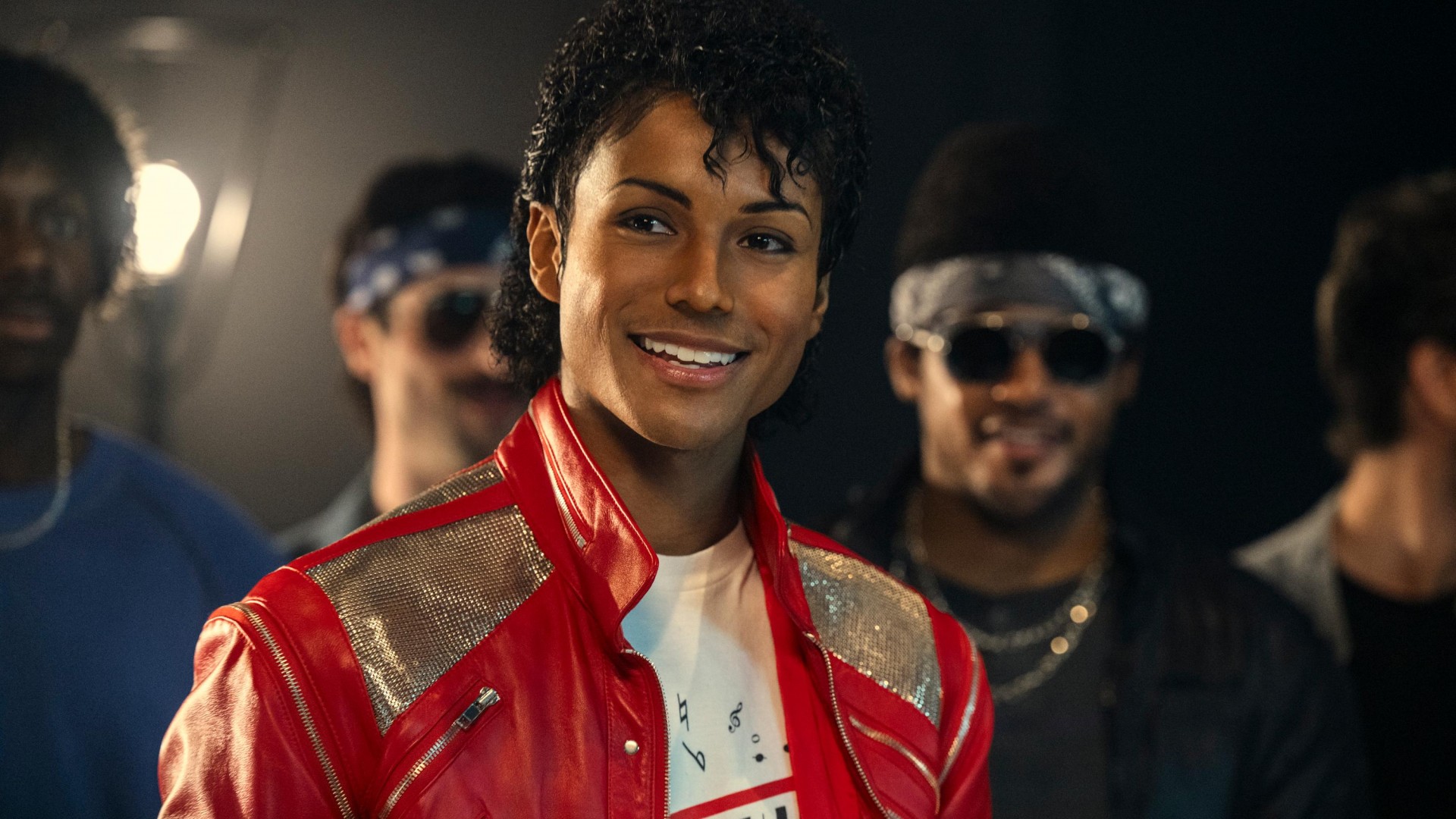
Weekend Preview: ‘Michael’ & the Jump From Biopic to Blockbuster
April 23, 2026
Summer movie season is about to kick off early with Lionsgate’s Michael. Although anticipation is high, biopic expectations would normally assert a ceiling for success. However, this ceiling only kicks in if Michael actually plays like a biopic with the audience.
We’ve previously covered the similar traits found in blockbusters (The Super Mario Galaxy Movie) and films that grow into blockbusters (Project Hail Mary). However, for those examples, the audience and film similarities were clear, and, in retrospect, obvious. Galaxy still resembled a sequel to The Super Mario Bros.Movie and Project Hail Mary grew from niche sci-fi to broad superhero fare. For Michael, though, the comparisons get a little hazy. If the film truly could break into blockbuster highs, what does the audience resemble? A musical like Wicked? A historical general audience success like Oppenheimer? Or maybe…Avatar?
More than six weeks out from release, Michael already cleared the hurdles of recent musical biopics.

Michael diverted from the normal audience profile of a music-biopic (which typically skews older or more male) with blockbuster-level Awareness, Interest, and Intent among the general population. Additionally, Michael appealed to audiences of all kinds.Men and women, over/under 35, etc. Theatrical Intent among white, Hispanic, and African-American audiences ages 35-54 all exceeded 50%, diversity metrics more commonly seen in tentpole franchises. With wide general audience appeal, opening closer to Bohemian Rhapsody rather than Springsteen: Deliver Me From Nowhere or Elvis becomes more of a given. But how high can it get?
Based on Michael’s final tracking, immediate new benchmarks for its blockbuster status are Oppenheimer (the current highest opening biographical film) and musical sensation Wicked. Although those ranges are not out of the realm of possibility,, their exact audiences are not the ones Michael is activating. Oppenheimer brought in men and skewed heavily male over 35, while Wicked brought in women of all ages. Michael, on the other hand, appeals to all groups but not quite at the same intensity as those films did with their target audiences.
Rather than trying to fill in the gaps between Oppenheimer and Wicked, Michael actually more closely resembles recent four-quadrant audience tentpoles such as Jurassic World: Rebirth and Avatar: Fire and Ash. While not discounting the idea of a fan-based element to a Michael Jackson film, the data reflects a wider or broader fandom than segmented specifically to one age or gender group.

The openings of all four films arrived within a certain range of each other. But it was the underlying audiences that pushed them there. Observing Michael’s underlying audience shows its overperformance compared to the recent musical biopics, but how far it can go will depend on which type of blockbuster it ends up behaving like. Can it add female interest into the male-dominated historical breakout space? Can it add male interest into the female-dominated musical space? Or maybe, perhaps, the moonwalk is as universal of a draw as Na’vi and dinosaurs.