
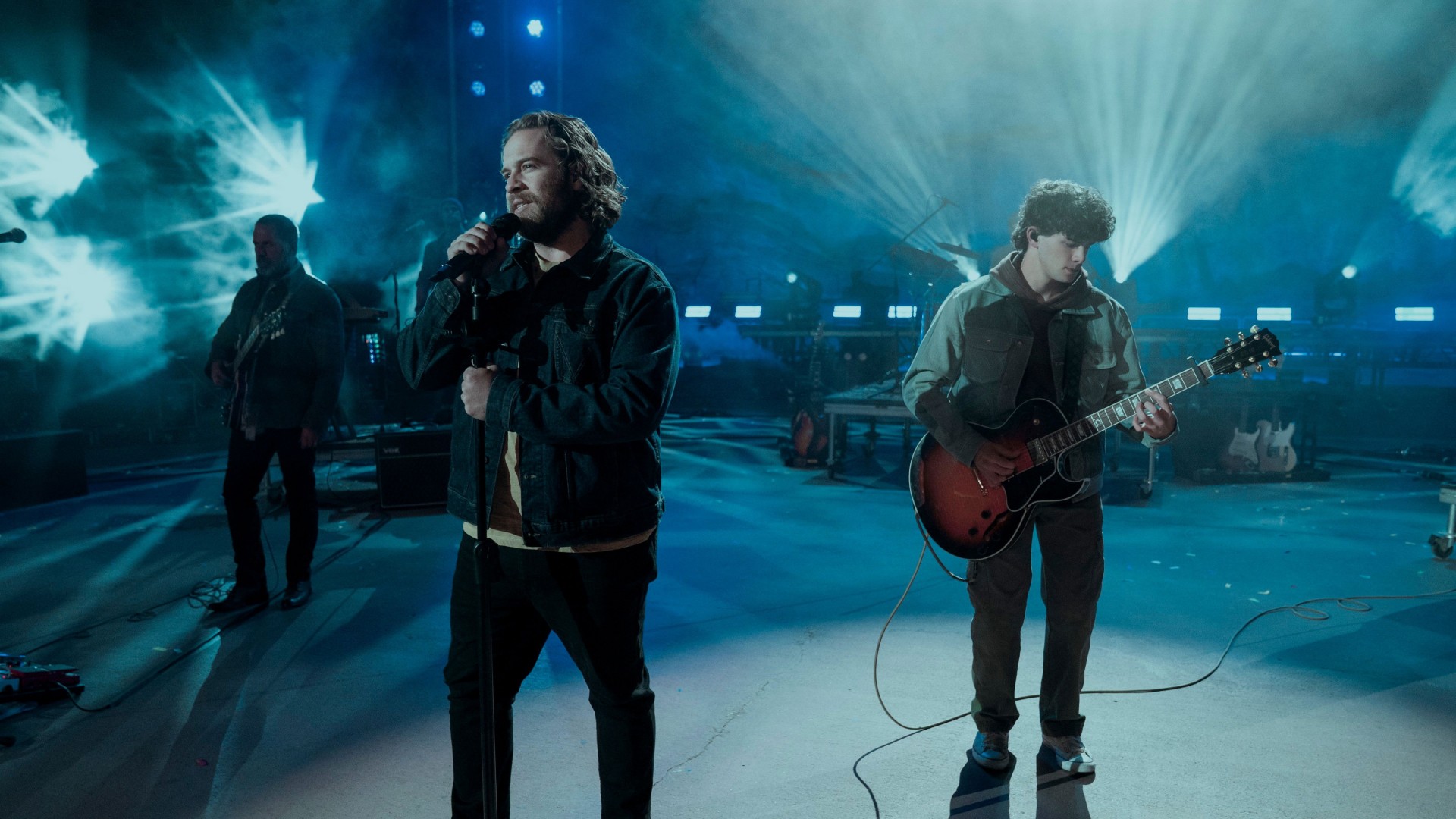
Weekend Preview: ‘I Can Only Imagine 2’ and Identifying Genre Fan Patterns
February 20, 2026
Horror and action have dominated the release schedule so far this year, and many of those exhibited similar patterns. As seen in previous analysis, the similarities help identify better audience comparisons, but do these patterns also exist in other genres or even sub-genres?
This weekend sees the return of the faith film with the release of I Can Only Imagine 2, the sequel to a sleeper hit of the genre. Faith-based films, though more niche than horror, boast their own specific audience patterns. From the smaller dramatic story to the more family-oriented title, faith-based audiences are a solidly consistent base ready to activate and build for a wide release.
We see converging patterns among overall rates for Interest, Theatrical Intent, and Willingness to Pay when it comes to faith-based or faith-adjacent films. Even within different demographics, similar patterns emerge: rates of awareness among the target over 35 audience, broad interest appeal, and ratios between the core tracking metrics.
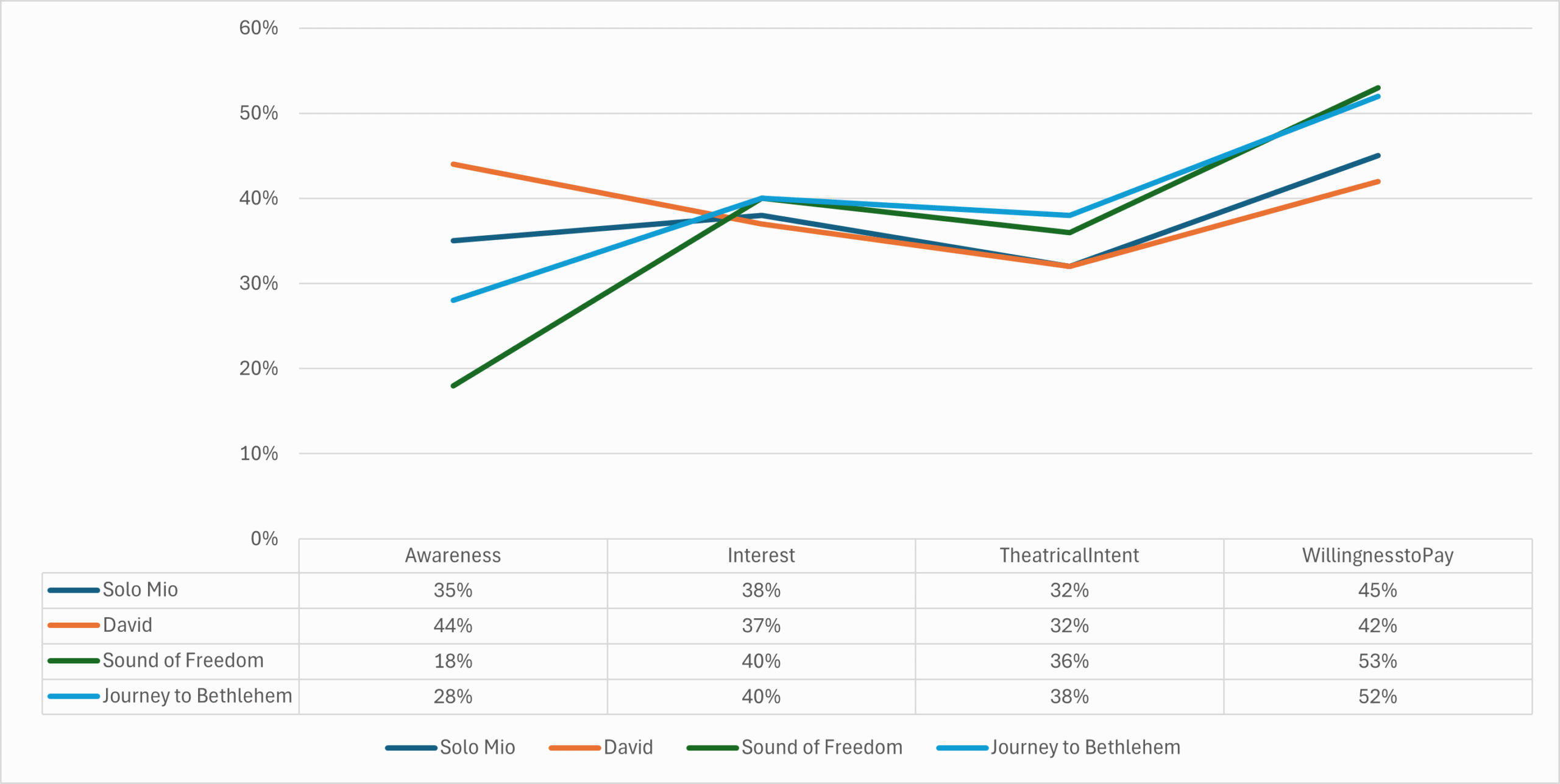
We have four key examples in the chart above, all taken from their opening weeks. Although each varies in tone, all four share a similar audience composition when it comes to potential interest and theatrical intent. The overlapping audience is mostly locked in already needing only to be exposed to marketing/promotional materials to get them into theaters. Despite being a smaller, more niche audience than a high-enthusiasm horror fandom or a broadly appealing actioner fan, this faith-based audience remains highly motivated and consistently underserved.
Tracking differences naturally explain performance variances. David, despite having the lowest theatrical intent in this dataset, boasted the highest awareness of the group. This ensured that those who had a desire to see the film in theaters were also aware of the film. Sound of Freedom, despite having the lowest awareness, boasted the highest willingness to pay rates, a factor that helped contribute to Angel Studio’s pay-it-forward campaign that helped to boost later awareness. Certain elements—such as Journey to Bethlehem’s smaller awareness and distribution count or Solo Mio’s tight conversion—helps explain the former’s modest performance and the latter’s remarkable debut and legs.
This week’s newest release, Lionsgate’s I Can Only Imagine 2, shows a similar ratio pattern. It’s tracking closely to the recently released Solo Mio along with previous Lionsgate faith-adjacent films Unsung Hero and Ordinary Angels. All of these showed remarkably consistent openings and domestic runs.
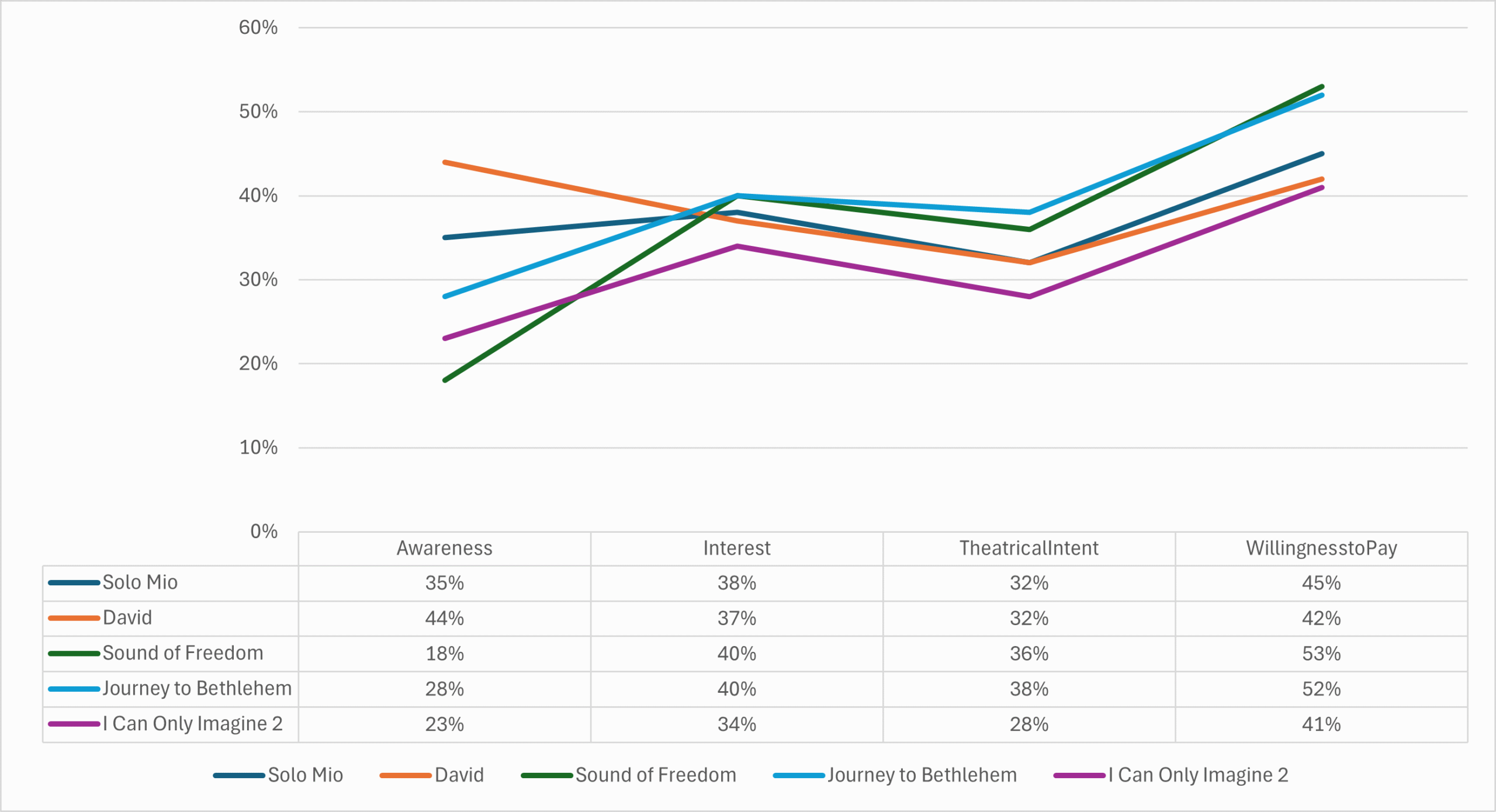
Imagine 2 is running behind Solo Mio in certain metrics, but does that mean it’s destined for a smaller opening? Not necessarily. Even with less awareness, its conversion to theater is incredibly strong, indicating at least an activated base the size of Unsung Hero or Solo Mio. The key for expanded success is converting interest or willingness to pay (only slightly smaller than David’s) into intent for opening weekend and beyond.
With faith-based films generally boasting similar interest and theatrical intent base heading into the final pre-release weeks, success comes from identifying these bases directly and motivating them to act. From the audience alone, studios know who reliably turns out for these films to consistently deliver opening ranges of $2-$7 million minimum. Branching out towards Sound of Freedom, King of Kings, David, or I Can Only Imagine numbers takes extra pushes and activation but is indeed possible.
Simply put, if filmmakers or studios want audiences to be surrounded by His glory and to see how their hearts feel, that’s not something they can only imagine, but actively ensure.